Quick Answer
Smoothies separate when ingredients are too warm, too watery, or blended in a way that leaves heavy and light textures fighting each other. A colder cup, better layering, shorter blending rounds, and a drink-ready tumbler can make the result feel smoother and easier to carry.
The Smoothie Looks Fine, Then Falls Apart
You blend strawberries, banana, berries, maybe a handful of greens, and for a moment it looks like the morning is cooperating. Then the top gets foamy. The bottom turns dense. The middle becomes watery. By the time you are ready to leave, the smoothie has become three different drinks in one cup.
That is frustrating because the routine was supposed to make breakfast easier. You wanted something fresh, fast, and portable. Instead, you are shaking the cup at every stoplight and wondering why the texture never lasts.
At Marveluga, we look at everyday product choices through the problem they help solve. For smoothies, the real problem is rarely a single ingredient. It is usually the way the whole routine handles texture, temperature, and movement.
Why This Problem Keeps Happening
Most fruit drinks combine ingredients that behave very differently. Banana adds body, berries bring seeds and pulp, ice melts, leafy greens trap air, and thin liquids rush to the bottom. When those ingredients are blended too long, too warm, or in the wrong order, separation shows up fast.
The hidden reason is momentum. A blender needs enough pull to move everything through the blade path. If frozen pieces sit away from the blades or liquid floods the cup too early, some ingredients get overworked while others barely break down. That creates foam on top and uneven texture underneath.
Failed Fixes People Keep Trying
Adding more liquid feels helpful at first, but it can make the smoothie thinner and more likely to separate. Blending longer can also backfire because extra heat and air can turn a creamy drink into a foamy one.
Another common move is pouring the drink into a separate travel cup. That extra transfer adds time, cleanup, and more air. For busy mornings, each added step makes the routine easier to abandon.
A Better Approach
The better approach is to treat the smoothie like a small system. Keep it cold, help the blade catch ingredients evenly, and drink from the same container whenever possible.
- Chill the cup before adding fruit so the drink warms up more slowly.
- Add liquid in a measured amount, then layer soft fruit, greens, and frozen pieces.
- Blend in short rounds so dense pieces break down without whipping too much air into the drink.
- Swirl the cup after blending to settle the texture before heading out.
You can find more practical home routine ideas in the Marveluga collections, where everyday tools are grouped around real problems rather than showroom-style browsing.
Where a Personal Blender Fits In
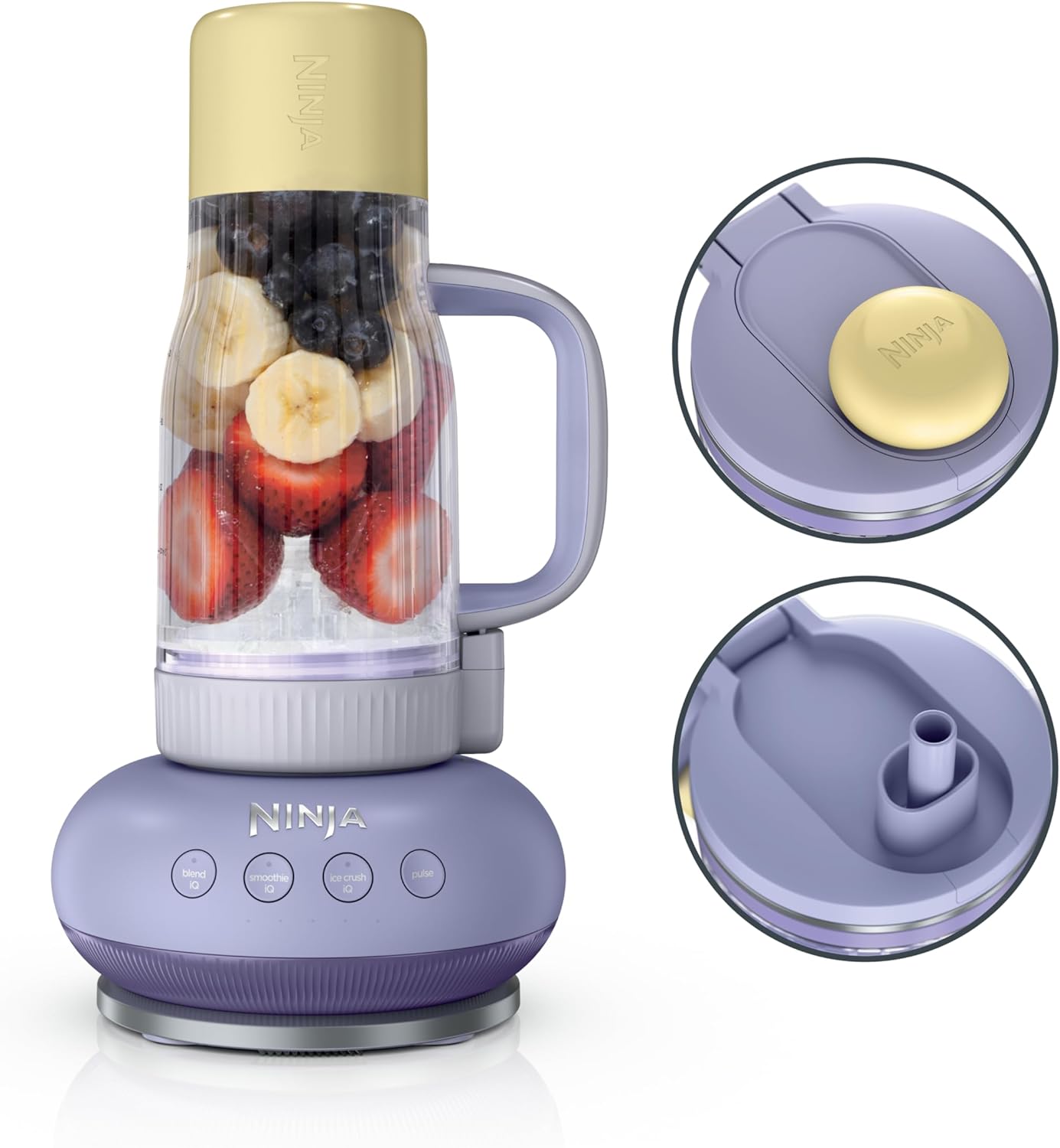
Once the routine is clear, the tool can stay in the background. The Ninja Blendboss Personal Blender fits this type of morning because it blends in a travel tumbler, uses a lid made for sipping, and keeps the whole process contained from prep to leaving the kitchen.
This is not about turning breakfast into a project. It is about removing friction: blend, cap, carry, and get on with the day. For people who lose time washing extra cups or rescuing watery smoothies, that simple flow can matter.
Why This Helps
A travel-tumbler setup helps because the drink stays in the same vessel from blending to sipping. That means fewer transfers, fewer dishes, and less disruption to the texture you just worked to create.
The benefit is practical, not flashy. When your blender cup is also the cup you take with you, the morning has fewer failure points. That makes it easier to repeat the routine on days when you are tired, late, or trying to get everyone out the door.
Real-Life Use Cases
For a commuter, the main win is fewer steps between the kitchen and the car. For a parent, it can mean making a fruit drink without creating a sink full of parts. For someone trying to add more fruit to the day, it can make the habit feel less delicate.
It also helps with smaller kitchens. A compact personal setup can sit within reach, which matters because routines survive when the useful thing is easy to grab.
Practical Benefits
The practical benefits come from consistency: smoother blending habits, fewer containers, easier cleanup, and a cup that supports leaving the house without repacking the drink. That is the difference between a smoothie routine that sounds nice and one that actually happens.
For more problem-solving articles across home, tech, beauty, and pet routines, the Marveluga reviews archive focuses on useful fixes before product talk.
Before vs After
Before
The smoothie separates quickly, the sink fills with extra cups, and the morning routine feels more annoying than helpful.
After
The process is colder, cleaner, and easier to repeat, with one container carrying the drink from blending to the rest of the day.
FAQ
Why does my smoothie separate so quickly?
Smoothies often separate when watery fruit, ice, leafy greens, and thicker ingredients are blended unevenly. A better ingredient order and a colder cup can help the mixture stay smoother.
Should frozen fruit go in first or last?
Frozen fruit usually works best near the blade path with liquid added in measured stages. This helps the blender pull ingredients into the mix instead of leaving pockets behind.
Can a personal blender help with morning routines?
A personal blender can help when the container also works as a travel cup, because there is less transfer, less cleanup, and fewer steps between blending and leaving.
How do I keep smoothies from becoming watery?
Use colder ingredients, add liquid gradually, blend in short cycles, and let dense items fully catch before adding more liquid. This supports a smoother texture.
Published by Marveluga
Make the Routine Easier to Repeat
If smoothie separation keeps making your mornings messier than they need to be, focus on the routine first: colder ingredients, smarter layering, shorter blending, and a cup that is ready to leave when you are.
The right setup should feel quiet and useful: less transferring, less cleanup, and a smoother path from fresh ingredients to a drink you can actually take with you.
Affiliate disclosure: Marveluga may earn from qualifying purchases made through links on this page. This article is written to help readers understand a common smoothie routine problem and choose tools with clearer context.