Small-kitchen frozen drink guide
Why Homemade Slushies Turn Watery in Minutes: The Smooth Frozen Drink Fix Small Kitchens Need

The problem is not that you are bad at making frozen drinks. The problem is usually the method.
Quick Answer
Homemade slushies turn watery because blender ice melts directly into the drink. The smoother fix is to chill the liquid itself while keeping it moving, so the texture forms without watering down the flavor. That is why countertop frozen drink machines can work better than ice-heavy blender shortcuts.
Problem Story
It usually happens on the kind of evening where nobody wants a project.
Dinner is almost done. The kitchen is warm. Someone asks for a frozen lemonade, Coke slush, fruit slush, frozen coffee, or margarita-style drink. You think, easy enough. Blender, ice, drink base, done.
For the first minute, it looks promising. Frosty top. Thick swirl. That gas-station-style texture you were hoping for.
Then it changes.
The top gets chunky. The bottom gets thin. The flavor drops off. The second cup tastes weaker than the first, and by the time everyone sits down, the drink has become cold syrup water with ice bits floating around.
That is the everyday frustration people search for without always knowing the right words: how to make homemade slushies that do not melt fast, how to make frozen drinks without watering them down, or why does my homemade slush separate.
The answer is not just “use more ice.” That is where the whole thing starts going sideways.
Why Problem Happens

A slushie is not just a drink with crushed ice. It is a balance of cold temperature, sugar, movement, and tiny ice crystals.
Blenders attack the problem with force. They crush ice into the liquid. That creates a thick texture quickly, but it also builds the problem into the drink from the start.
Ice is water. Once it melts, the drink gets diluted.
That is why your frozen lemonade tastes bright at first and bland ten minutes later. It is why frozen soda turns flat and thin. It is why homemade margaritas can taste sharp in one sip and watery in the next.
Commercial frozen drink machines work differently. They chill the liquid while moving it slowly, helping the drink freeze into small crystals. That gives a smoother body without relying on a pile of crushed ice.
For a small apartment, that difference matters. You may not have extra freezer space for ice bags, a big blender jar, and backup pitchers. You need a method that does the job cleanly and predictably.
Mistakes
Mistake one: adding more ice. It feels right because the drink gets thicker for a moment. Then the extra ice melts, and the flavor gets weaker.
Mistake two: blending longer. Longer blending can warm the mixture slightly through friction and motor heat. It can also create uneven texture if the ice breaks down at different sizes.
Mistake three: using a weak base. A watered-down juice, thin coffee, or low-flavor soda will taste even weaker once ice melts into it.
Mistake four: ignoring sugar balance. Sugar affects freezing. A drink with too little sugar may freeze strangely, turn icy, or refuse to hold that soft slush texture.
Mistake five: making it too early. A blender slush is best immediately. If guests arrive late, dinner runs long, or the movie takes twenty minutes to start, the drink often loses its best texture before the first real sip.
That is the quiet reason so many homemade frozen drink ideas look great online and feel annoying in real life.
Solutions

The real fix is to separate texture from dilution.
Instead of asking ice to do everything, start with a drink base that already tastes good. Then use a chilling method that freezes the liquid itself.
- Use a bold base: lemonade, soda, cold brew, fruit juice, or a prepared mocktail mix.
- Chill before freezing: colder starting liquid usually behaves better.
- Keep it moving: movement helps prevent hard freezing and chunky separation.
- Watch low-sugar recipes: sugar-free drinks may need adjustments.
- Serve from a cold chamber: texture holds better when the batch stays chilled.
This is the key shift: stop making a drink cold by adding melting water. Make the drink itself cold enough to become the texture you want.
Small change. Big difference.
Product Intro

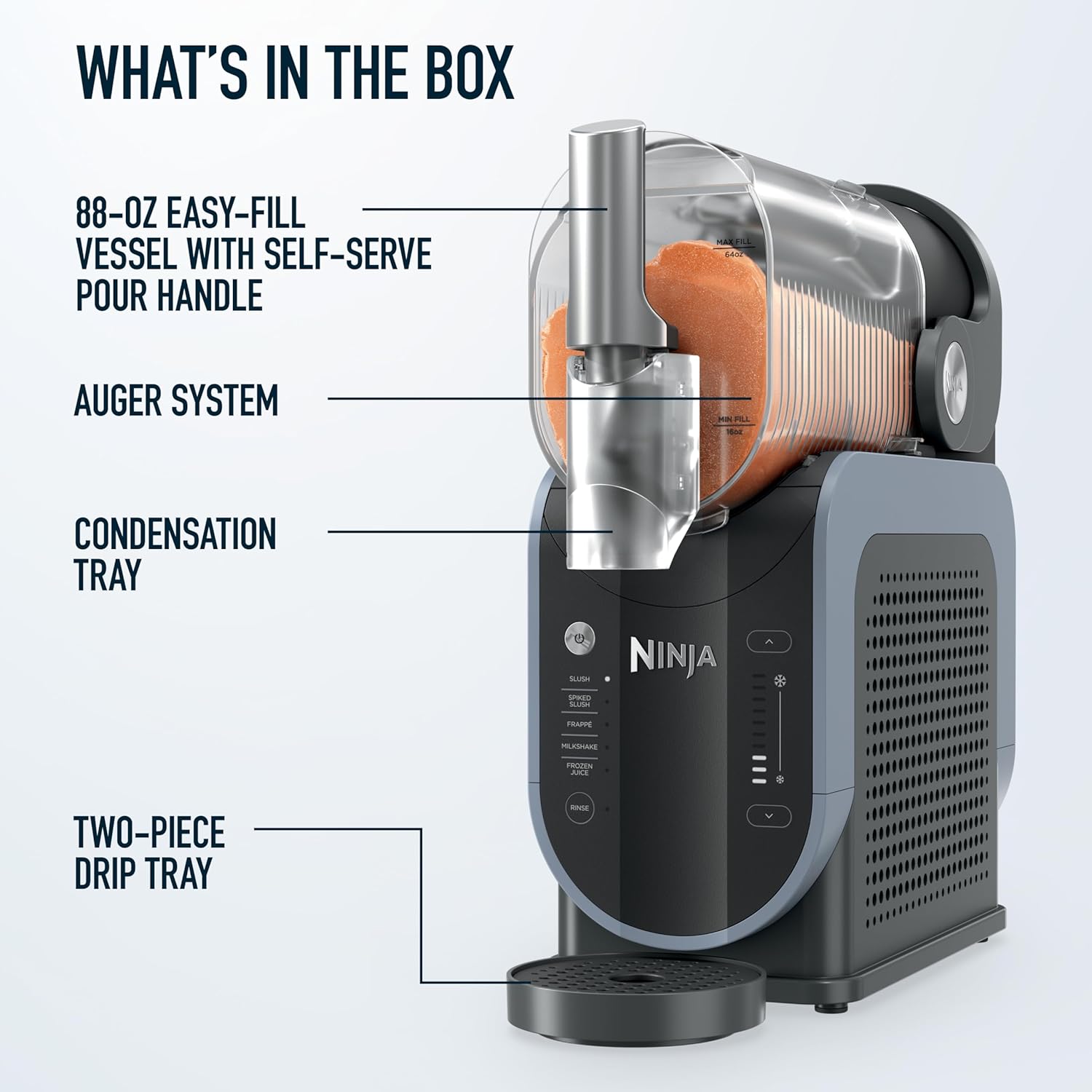
For this specific watery-slushie problem, the Ninja SLUSHi with RapidChill Technology enters naturally as a practical kitchen answer.
The useful idea is simple: pour in the drink base, let the machine chill and rotate it, then serve a frozen texture that does not depend on crushed ice melting into the cup.
That matters if you live in a small apartment, cook on busy weeknights, or want frozen drinks without turning the counter into a sticky prep zone.
It also helps when you want a batch to last beyond the first pour. A frozen drink should not feel like a race against the clock. Nobody wants to announce, “Drink it now before it gets weird.”
The product stays in a supporting role here. The real win is solving the texture problem: smoother frozen drinks, less dilution, and fewer blender guesses.
Why It Works
The reason this approach works comes down to controlled chilling.
Instead of crushing ice into the drink, the machine chills the liquid around a cold internal system while the mixture keeps moving. That helps the drink build a slush texture from the base itself.
So if you pour in lemonade, the frozen drink still tastes like lemonade. If you use cola, the result is closer to a frozen soda experience instead of a glass of flat, watered-down ice.
The movement matters too. Without movement, liquid can freeze unevenly. With steady rotation, the drink has a better chance of forming a consistent, soft texture.
There is also a practical holding advantage. For family nights, small gatherings, or patio evenings, people rarely serve every cup at the exact same second. A chilled vessel helps keep the batch closer to the texture you intended.
That is where it starts feeling less like a novelty and more like a useful fix.
Use Cases

Weeknight dinner: Start a lemonade or fruit slush before dinner, then serve it when plates hit the table. It turns an ordinary meal into something that feels a little more fun.
Small apartment entertaining: You can make a frozen drink without needing a blender, ice bucket, extra pitcher, and half the counter.
Lazy cooking nights: Leftovers feel better when there is a frozen Coke or creamy coffee drink next to them. Not fancy. Just nice.
Summer afternoons: Kids want something cold. Adults want something easy. Nobody wants to clean sticky blender parts twice.
Mocktails and casual drinks: A frozen strawberry lemonade, mango slush, wine slush, or margarita-style drink works better when the texture stays smooth long enough to enjoy.
Frozen coffee at home: If your homemade frappé turns thin and icy, chilling the drink base instead of drowning it in ice can make the texture feel much closer to the coffee-shop version.
Before/After
Before: You add ice, blend, taste, add more syrup, blend again, and still get watery separation after a few minutes.
After: You start with the flavor you actually want and freeze the drink base into a smoother texture.
Before: The first cup gets the best texture. Everyone else gets the melt-down version.
After: The batch stays more consistent, so second pours feel intentional instead of leftover.
Before: Frozen drinks feel like a weekend-only cleanup event.
After: They become realistic for a Tuesday night, a small birthday hangout, or a hot afternoon when nobody wants to leave the house.
Who NOT For

This is not for someone who makes one frozen drink a year. If you only need an occasional summer slush, a blender may be enough.
It is also not ideal if your kitchen has no available storage. Even a countertop machine needs a real place to live.
If you expect instant frozen drinks in seconds, that expectation needs adjusting. Smooth frozen texture takes time because the liquid has to chill properly.
And if your main goal is thick green smoothies with frozen fruit, protein powder, oats, and nut butter, a blender still makes more sense. Smoothies and slushies solve different cravings.
The best fit is someone who regularly wants frozen drinks, hates watery blender results, and would rather solve the process than keep guessing ice ratios.
FAQ
Why do homemade slushies turn watery so fast?
Because crushed ice melts into the drink. The texture looks right at first, but as the ice breaks down, the drink separates and the flavor gets weaker.
How do you make slushies at home without watering them down?
Use a strong drink base and freeze the liquid itself instead of depending on crushed ice. Keeping the liquid moving while it chills helps create a smoother slush texture.
What is the best way to make frozen drinks in a small kitchen?
The best small-kitchen method is one that limits extra tools and cleanup. A compact frozen drink machine can help if you make slushies, frozen juice, frozen coffee, or mocktails often.
Can you make frozen soda at home?
Yes. Frozen soda can work well, but it needs careful chilling because carbonation and sugar affect the final texture.
Why does my frozen margarita separate?
It often separates because the drink relies too much on crushed ice. Once the ice melts, the cocktail becomes thinner and the texture breaks apart.
Do sugar-free drinks slush properly?
Sometimes. Sugar-free drinks can be harder because sugar helps control freezing texture. You may need a recipe adjustment or suitable sweetener to avoid icy or thin results.
Is a frozen drink machine worth it for apartments?
It can be, especially if you want frozen drinks often and do not want to manage bags of ice, sticky blender jars, and last-minute texture problems.
Related Links
Explore more practical home solutions at Marveluga.
CTA
If watery blender slushies keep ruining the moment, this is the kind of fix that feels less like buying another appliance and more like removing a recurring kitchen annoyance.
For small kitchens, busy evenings, and frozen drinks that need to hold their texture, it is worth checking the current price.
Check Price on AmazonDisclaimer
This article contains affiliate links. If you buy through these links, Marveluga may earn a commission at no extra cost to you. Product availability, pricing, and details can change, so confirm the latest information on Amazon before purchasing.